
The Practical Joy of Motorhome Life: A Complete Guide to Buying, Living, and Traveling
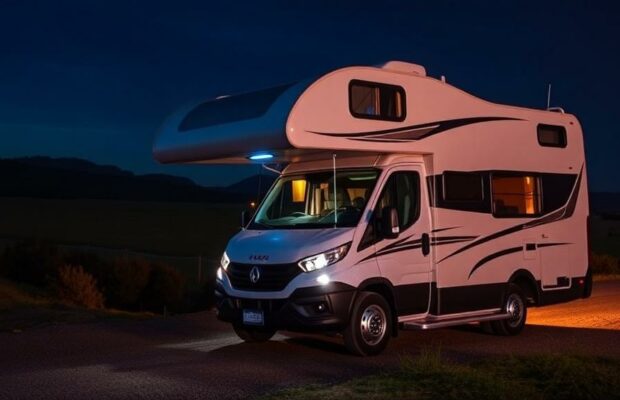
There’s a special kind of freedom in a vehicle that carries your bed, kitchen, and the comforts you need to keep going. Motorhomes let people reframe vacations as daily life: wake up to a new view, make coffee with a panoramic backdrop, and fold your world neatly into stowable drawers. This guide walks you from the first spark of curiosity to confident ownership, covering types, systems, costs, upkeep, and the unspoken rules of the road. Read it as a one-stop primer or dip into sections that matter to you now.
What Exactly Is a Motorhome?
At its core, a motorhome is a self-propelled recreational vehicle that combines transportation and living quarters. Unlike towable trailers, motorhomes carry all living systems on the chassis that moves them: engine, fuel, water, electricity, and the furniture you sleep and cook on. That integration makes them convenient for quick getaways and long-term travel alike.
Motorhomes vary wildly in size, comfort, and capabilities. Some are nimble vans built for city parking and lean adventures. Others resemble comfortable apartments on wheels, built for extended touring and full-time living. The model you choose depends on how much mobility you want versus how much domestic comfort you need.
Types of Motorhomes
Understanding the main categories helps narrow choices quickly. The market divides motorhomes into a few recognizably different classes, each with its own personality and tradeoffs.
Class A (The Large Luxury Coach)
Class A motorhomes are the largest, often modeled after buses. They offer spacious living areas, multiple slide-outs, full-size appliances, and sometimes garage-like storage. Expect comfortable driving cabs, extensive cabinetry, and optional features like washer/dryers, residential refrigerators, and full bathrooms.
Class C (The Mid-Size Workhorse)
Class C rigs are easily recognized by the over-cab bunk that forms a distinctive profile. They balance interior living space and drivability. Class C models commonly come with den or bunk options, making them popular for families. They’re generally easier to park and maneuver than Class A coaches.
Class B (Campervans)
Class B motorhomes are compact, van-based conversions that emphasize mobility. They’re the easiest to drive and park, often with high-roof options that still fit in regular garages. Interior space is limited but cleverly used: folding beds, compact kitchens, and modular storage make them efficient city-and-countryside companions.
Van Conversions and Custom Builds
This is a vibrant, creative corner of the market. Builders convert cargo vans into bespoke homes with insulation, solar, and handcrafted interiors. These conversions range from minimalist to luxuriously outfitted and allow buyers to prioritize what they truly need: workspace, bike storage, or a standing shower.
Table: Quick Comparison of Motorhome Types
| Type | Length | Typical MPG | Best for | Common Drawbacks |
|---|---|---|---|---|
| Class A | 28–45 ft | 6–10 mpg | Long-term living, large families | Cost, parking, fuel |
| Class C | 20–33 ft | 8–15 mpg | Family trips, balance of comfort and ease | Height limits, less maneuverable than vans |
| Class B / Campervan | 16–24 ft | 18–25+ mpg | Urban travel, solo or couples | Limited living space |
| Custom Conversion | Varies | Varies | Personalized needs | Build quality varies |
Buying vs Renting: How to Decide
Not everyone who dreams of motorhome life should buy one immediately. Renting is a low-commitment way to test living on wheels, learn what layout works, and confirm the travel lifestyle suits you. Buying makes sense when you anticipate frequent use, long-term travel, or want to tailor a vehicle to precise needs.
Consider frequency, duration, and the flexibility you need. If you’ll use a rig a few times a year for short trips, renting may be cheaper and less stressful. If you plan months-long road journeys or year-round travel, ownership spreads fixed costs and lets you install permanent upgrades like solar and custom cabinetry.
Pros and Cons at a Glance
- Renting: Low upfront cost, no long-term maintenance, access to different models. Downsides: rental availability, seasonal pricing, and potential unfamiliarity with the rig.
- Buying: Total control, personalization, potential for rental income when not in use. Downsides: depreciation, storage, insurance, and ongoing maintenance.
Table: Typical Cost Ranges (Approximate, US market)
| Expense | Class B | Class C | Class A |
|---|---|---|---|
| New purchase | $60,000–$150,000 | $70,000–$200,000 | $150,000–$1,000,000+ |
| Used purchase | $20,000–$90,000 | $30,000–$120,000 | $60,000–$400,000 |
| Typical campsite (per night) | $20–$60 | $25–$75 | $30–$100 |
| Insurance (annual) | $800–$2,000 | $1,000–$3,000 | $1,500–$5,000+ |
Motorhome Systems Explained
Understanding the systems that keep a motorhome functioning is critical. They determine comfort, safety, and how self-reliant you can be while traveling. A few fundamentals: electrical, water, heating, and waste systems. Each requires regular attention.
Electrical: Batteries, Inverters, and Shore Power
Motorhomes typically have two electrical domains: the chassis battery(s) for starting the vehicle and the house battery bank for living systems. House power can come from shore power at a campsite, a generator, or solar panels charging a bank of AGM, GEL, or lithium batteries. An inverter converts DC battery power into AC for household-style outlets.
When evaluating setups, note battery capacity (amp-hours), inverter size (watts), and charging sources. A 300–600 watt solar array with a good battery bank will support lights, small appliances, and charging needs for several days off-grid in mild conditions.
Fresh Water, Gray Water, and Black Water
Fresh water tanks supply your sinks, shower, and sometimes toilet. Gray water holds sink and shower wastewater; black water stores toilet waste. Emptying gray and black tanks at designated dump stations prevents odors and environmental harm. Capacity varies: fresh tanks might be 30–100+ gallons; black tanks commonly range 10–50 gallons.
Propane and Heating
Propane fuels many motorhome appliances: stoves, refrigerators (in some models), water heaters, and furnaces. Designs often have external fill ports and dual tanks for redundancy. Modern rigs may use electric heating elements or diesel furnaces for efficiency in colder climates.
Appliances and HVAC
Air conditioning is a major power draw. Residential fridge options exist and prefer shore power or generator use. Tankless water heaters are increasingly popular, providing on-demand hot water while saving space.
Living Comfortably: Space, Kitchen, and Sleeping
All motorhomes juggle space priorities. Kitchen, sleeping, dining, and storage require clever layouts. Prioritize what you actually use: if you cook frequently, invest in a better stove and counter space. If you prefer quick meals, consider a smaller kitchen and more living area.
Kitchen Strategies
Counter space is precious. Folding extensions, cover boards over sinks, and slide-out surfaces can make meal prep practical. A modest but sharp knife set beats a bulky one, and stackable pans save cabinet real estate. Consider a convection microwave for versatility.
Sleeping Arrangements
Mattress quality matters more than many realize. A thin or sagging mattress quickly ruins travel. If possible, try the sleeping surface during a demo. Convertible dinettes work well for short trips but for long-term comfort, a fixed bed or high-quality mattress is better.
Storage Solutions
Use vertical space and soft-sided organizers. Ceiling pockets, under-bed drawers, and magnetic strips for utensils maximize usable volume. Keep heavy items low and near axles to preserve handling and stay within weight limits.
Packing Checklist (Short Form)
- Driving essentials: registration, insurance, roadside kit.
- Kitchen basics: utensils, pans, cutting board, collapsible dish tub.
- Sleeping: pillows, fitted sheets, modular bedding.
- Maintenance: water hose, sewer hose, wheel chocks, leveling blocks.
- Safety: fire extinguisher, smoke and CO detectors, first aid kit.
Driving, Handling, and Practical Road Tips
Driving a motorhome is driving with new responsibilities. Height, weight, and turning radius all change the equation. Plan routes that avoid low bridges and narrow streets. Use apps and maps that let you filter by vehicle size and bridge height.
Mirrors and Visibility
Invest in proper side mirrors and, if possible, a rear-view camera. Blind spots are larger. Practice lane changes and wide turns in empty parking lots to build confidence. Allow extra following distance; braking takes longer, especially under load.
Weight and Cargo Distribution
Know your vehicle’s Gross Vehicle Weight Rating (GVWR) and stay within limits. Overloading reduces braking performance and increases wear. Keep heavy items centered and over the axles for better balance.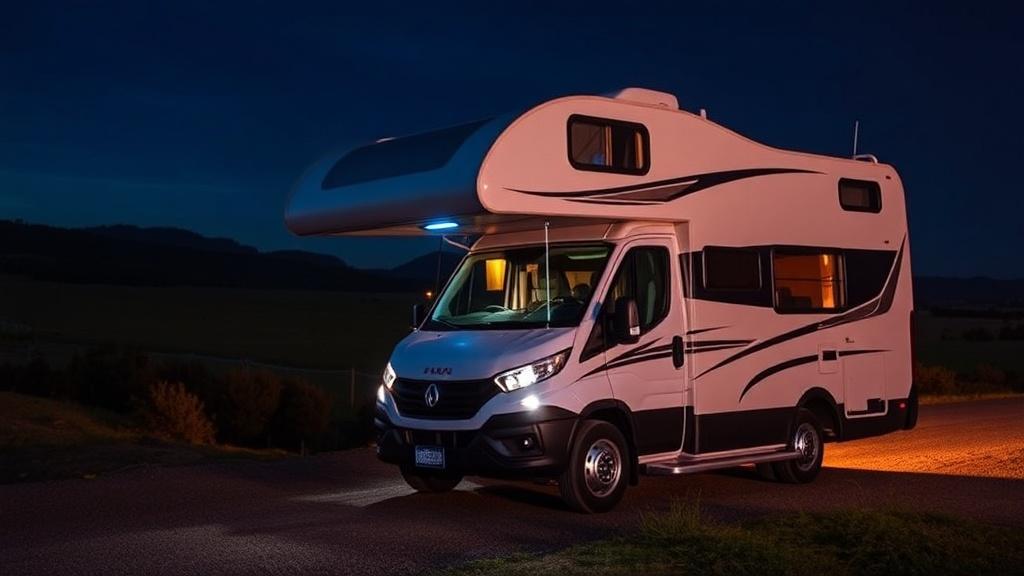
Towing and Hitching
If you plan to tow a car or trailer, verify tongue weight and towing capacity. Many motorhomes support towed vehicles via tow bars or integrated hitches; confirm the transmission and braking system recommendations for flat towing versus dinghy setups.
Maintenance and Seasonal Care
Preventive maintenance extends life and prevents expensive failures. Motorhomes have two maintenance tracks: the vehicle chassis (engine, transmission, brakes) and the habitation area (appliances, plumbing, seals). Treat both with equal respect.
Routine Checks and Service Intervals
Follow the engine manufacturer’s service schedule: oil and filter changes, fluid checks, tire rotation, and brake inspections. For habitation systems check roof seals annually, inspect water lines for leaks, and replace anode rods on water heaters per manufacturer guidance.
Winterizing and De-Winterizing
Protect plumbing from freezing if storing in cold climates. Winterizing often means draining fresh-water systems and adding RV antifreeze. De-winterizing reverses these steps and includes flushing tanks and checking seals before the first trip in spring.
Maintenance Checklist (Practical Schedule)
- Pre-trip: tires, fluid levels, battery state, lights, emergency kit.
- Monthly: check seals, inspect hoses, test detectors, inspect tire pressure.
- Annually: roof seal inspection, furnace and AC service, chassis tune-up.
Off-Grid Living: Power, Water, and Independence
Boondocking — camping without hookups — is a major draw for many motorhome users. The ability to camp off-grid depends largely on power and water systems. Proper planning removes the stress of self-reliance.
Solar and Battery Systems
Solar panels charge house batteries during daylight. A charge controller protects batteries from overcharging. Many people pair solar with a lithium battery bank for depth-of-discharge advantages and long cycle life. Match inverter capacity to peak loads if you plan to run AC or high-draw appliances.
Generators
Portable or built-in generators supply AC power on demand but consume fuel and create noise. Many boondockers prefer solar-plus-battery for silent, low-maintenance power. If you rely on a generator, learn fuel management and safe exhaust placement to avoid carbon monoxide hazards.
Water Management
Conserve water with low-flow faucets and short showers. Carry spare freshwater in collapsible bladders for longer stays. A gray water diverter and careful use of biodegradable soaps help reduce dumping frequency.
Safety, Security, and Insurance
Motorhomes present unique risks — theft, carbon monoxide, fires, and roadside breakdowns. Equip your rig with working smoke and CO detectors, fire extinguishers, and a plan for emergency exits. Security systems and wheel locks deter opportunistic thefts.
Insurance Considerations
Insurance policies differ from regular auto coverage. Look for comprehensive coverage that includes contents, roadside assistance, and liability for the living area. Decide whether you need agreed-value coverage to protect against depreciation disputes.
Legal Requirements and Licensing
License requirements vary. Most states and countries allow motorhomes under a certain weight to be driven with a standard driver’s license. Heavier rigs may require a commercial or special license. Check local rules before purchase or long-distance travel.
Costs, Depreciation, and Value Retention
Owning a motorhome is an investment with ongoing costs beyond the purchase price. Budget for fuel, campsite fees, maintenance, insurance, inspections, and storage. Depreciation is steeper for high-end models but well-maintained rigs often retain reasonable resale value due to steady demand.
Ways to Offset Costs
- Renting your motorhome when idle through peer-to-peer platforms.
- Buying slightly older models in good condition.
- DIY maintenance where safe and sensible.
Trip Planning, Apps, and Campsite Etiquette
Smart planning reduces stress. Use apps that show campgrounds, dump stations, fuel stations for RVs, and user reviews. Confirm site sizes and hookups before arrival. Don’t assume every campground can accommodate every length or slide configuration.
Recommended Apps and Tools
- Campground finders that allow filter by length and hookups.
- Navigation apps designed for RVs that avoid low bridges and restricted roads.
- Weather and wild-fire alerts, especially for remote travel.
Campsite Etiquette
Respect quiet hours, keep generator use minimal, and be mindful of campsite boundaries. Use leveling blocks rather than digging, and leave campsites cleaner than you found them. Others will appreciate the courtesy, and it keeps access open to the next visitor.
Customization and Upgrades Worth Considering
After some miles, owners often refine their rigs. Popular upgrades include solar arrays, lithium battery conversions, better mattresses, and improved insulation. If you spend winters on the road, insulating windows and upgrading to a more efficient furnace make a huge difference.
Common Upgrade Priorities
- Solar and battery bank to extend off-grid stays.
- Roof coating and sealant for leak prevention.
- Comfort upgrades: mattress, seating foam, blackout curtains.
- Technology: backup camera, improved infotainment, Wi-Fi boosters.
Common Problems and How to Troubleshoot
Even well-made motorhomes have predictable issues. Plumbing leaks, electrical gremlins, and roof seal failures are among the frequent problems. Learning basic diagnostic steps and carrying a small toolkit saves time and money on the road.
Quick Troubleshooting Tips
- No power to outlets: check shore hookup, inverter switch, and battery isolator.
- Poor water pressure: inspect shore water pressure regulator or check for clogs in the inline filters.
- Fridge not cooling: confirm propane supply and battery voltage if using electric mode; ensure sufficient ventilation.
- Unpleasant odors: empty and rinse black tank, use enzyme treatments, and ventilate the interior.
Buying Tips and Pre-Purchase Checklist
Buying a motorhome deserves the same rigor as buying a house. Inspect thoroughly, test-drive in a variety of settings, and verify maintenance history. If in doubt, hire a professional RV inspector. Small issues become large ones on the road.
Pre-Purchase Inspection Checklist
- Exterior: roof condition, slide seals, awning function, rust, and body damage.
- Interior: water stains, appliance function, plumbing leaks, floor soft spots.
- Mechanical: engine health, transmission smoothness, brake condition, tire age and wear.
- Electrical: battery condition, inverter operation, shore power connection, lights.
- Documentation: service records, title and registration, recall clearance.
Motorhome Communities and Resources
One of the best parts of owning a motorhome is the community. Clubs, online forums, and local meetups are rich sources of practical advice, parts trading, and shared campouts. Attend a regional RV show to see models in person and meet builders and accessory vendors.
Subscribe to a few high-quality forums or social groups where owners share maintenance hacks, campground tips, and honest reviews of products. The lived experience of others often surfaces solutions that manuals miss.
Environmental Considerations
Motorhome travel has an environmental footprint, but there are ways to reduce it. Solar installations minimize generator use; careful driving improves fuel economy; choosing durable, high-quality gear reduces waste. Consider offsetting fuel emissions if you travel frequently or choose routes that support local economies and conservation efforts.
Financing and Ownership Models
Financing options include dealership loans, specialized RV lenders, and personal loans. Interest rates and terms vary; compare multiple offers. Some buyers prefer leasing for short-term use, while others treat a motorhome as an asset worth long-term investment and care.
If you plan seasonal use, evaluate storage costs. Indoor storage keeps rigs in better condition but costs more. Outdoor storage is cheaper but can accelerate exterior and seal degradation.
Final Practical Tips for New Motorhome Owners
- Start with short trips to learn systems and how the vehicle behaves.
- Create a routine pre-departure checklist and a separate arrival procedure for campsites.
- Practice leveling, hitching, and setup at home before the first trip.
- Keep spare parts for common failures: fuses, light bulbs, water pump, toilet seals.
- Document serial numbers, warranties, and setup instructions in a single binder or digital folder.
Conclusion
Motorhome life rewards careful choices and a willingness to learn. Pick a type that fits the trips you want to take, understand the key systems, and build routines for maintenance and camping etiquette. Whether you favor a nimble van for weekend escapes or a Class A coach for an extended journey, a thoughtful approach keeps you safer, more comfortable, and more likely to fall in love with the road. Start small, upgrade thoughtfully, and let experience shape how you live and travel on wheels.